Best time to visit The Dylan — month-by-month guide
Best time to visit The Dylan is late June through September for the warmest, driest weather and easiest access to outdoor waterfront activities. For fewer crowds with still-pleasant weather, consider September; if you want lower rates and don’t mind rain and cloudier skies, visit November–March.
In this guide
January–February: cold, wet, quiet
Seattle winter is cold, wet, and mostly cloudy; January is the cloudiest month. Expect frequent overcast days and more rain than in summer.
The Dylan remains a practical downtown base in winter: the 24-hour front desk, free WiFi, and grab-and-go breakfast are useful when daylight is short and plans are mostly indoor museum visits or nearby restaurants.
- Pros: lower hotel rates, fewer tourists, easy access to Pike Place Market and indoor attractions.
- Cons: frequent rain and mostly cloudy skies; limited outdoor sightseeing time.
- Good for: museum-goers, theater nights (Moore Theatre is a short walk), bargain-conscious travelers.
| Typical weather | Crowds & pricing |
|---|---|
| Cold, frequent rain and overcast skies | Low — off-peak hotel prices likely |
| Short daylight hours | Minimal queues at nearby attractions |
| Not ideal for whale-watching or island day trips | Good value for indoor-focused trips |
March–May: shoulder season with improving weather
Spring brings gradually longer days and fewer wet days than winter, though rain is still common in March and April. By May, things start to feel greener and milder.
This is a good time to combine daytime sightseeing with occasional sunny windows for waterfront strolls and early ferry trips. Expect a mix of locals and tourists without peak-summer crowds.
- Pros: improving weather, more daylight, spring blossoms in parks.
- Cons: variable weather — pack a rain layer and flexible plans.
- Good for: photographers who want dramatic skies, city walks, catching fewer crowds at Pike Place Market.
| Month | Why visit now |
|---|---|
| March | Quieter city, early spring blooms starting; still rainy |
| April | Days lengthen; transitional weather |
| May | Milder days and more outdoor-friendly weather |
June–August: warm, dry, peak season
Summer (June through August) is the warmest and driest time of year in Seattle, with the most consistent sun and the fewest rain days — July and August are typically the best months for clear weather.
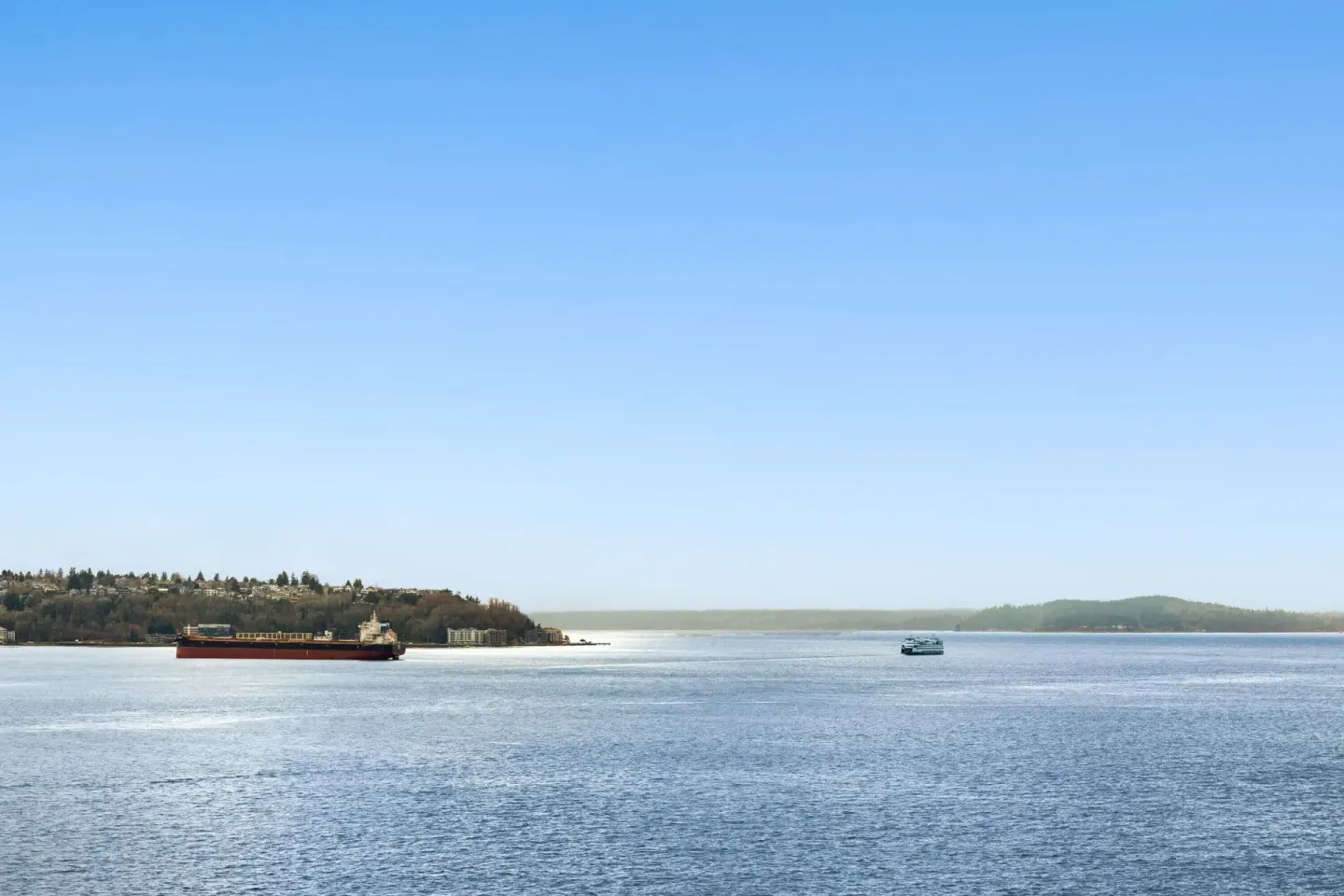
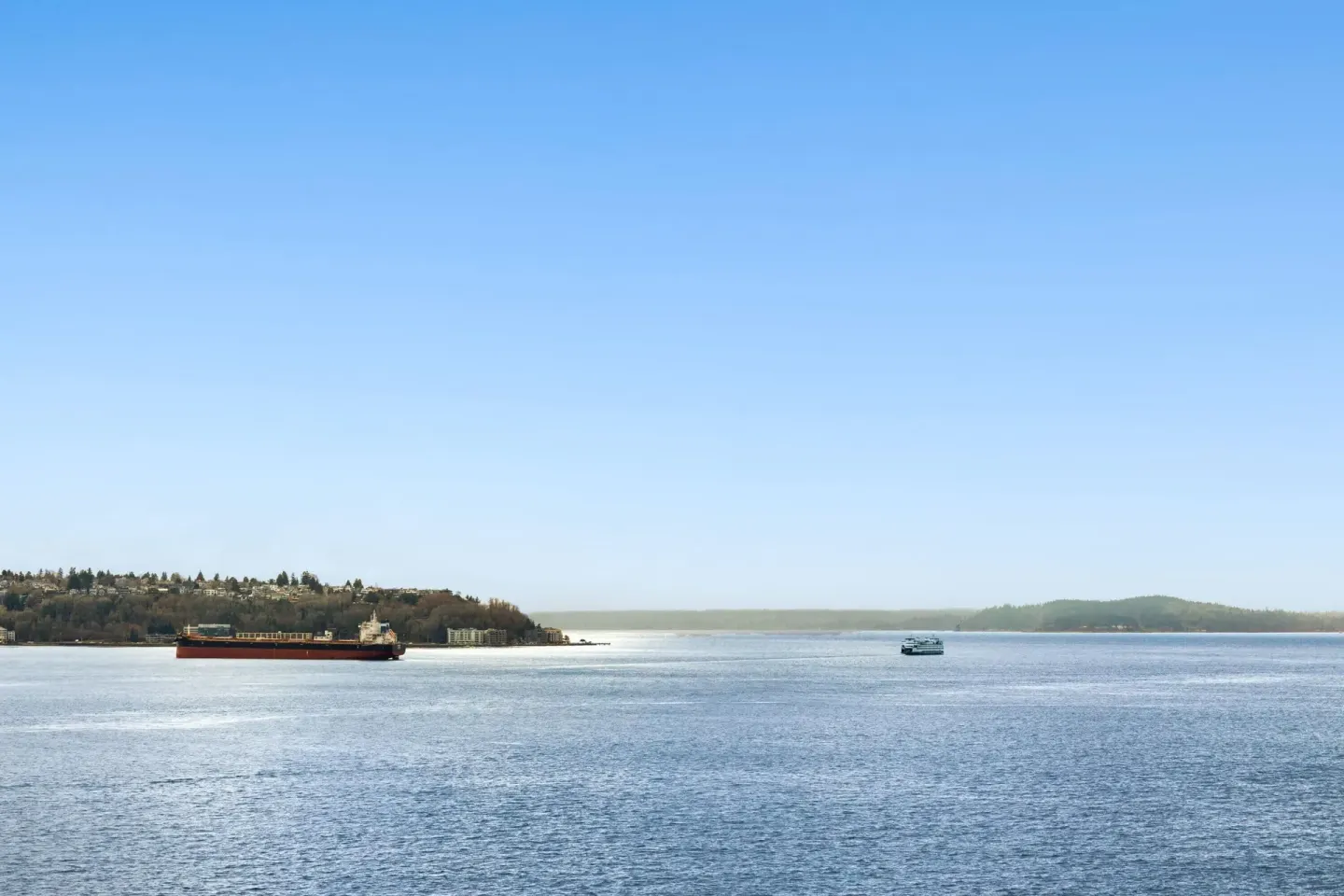
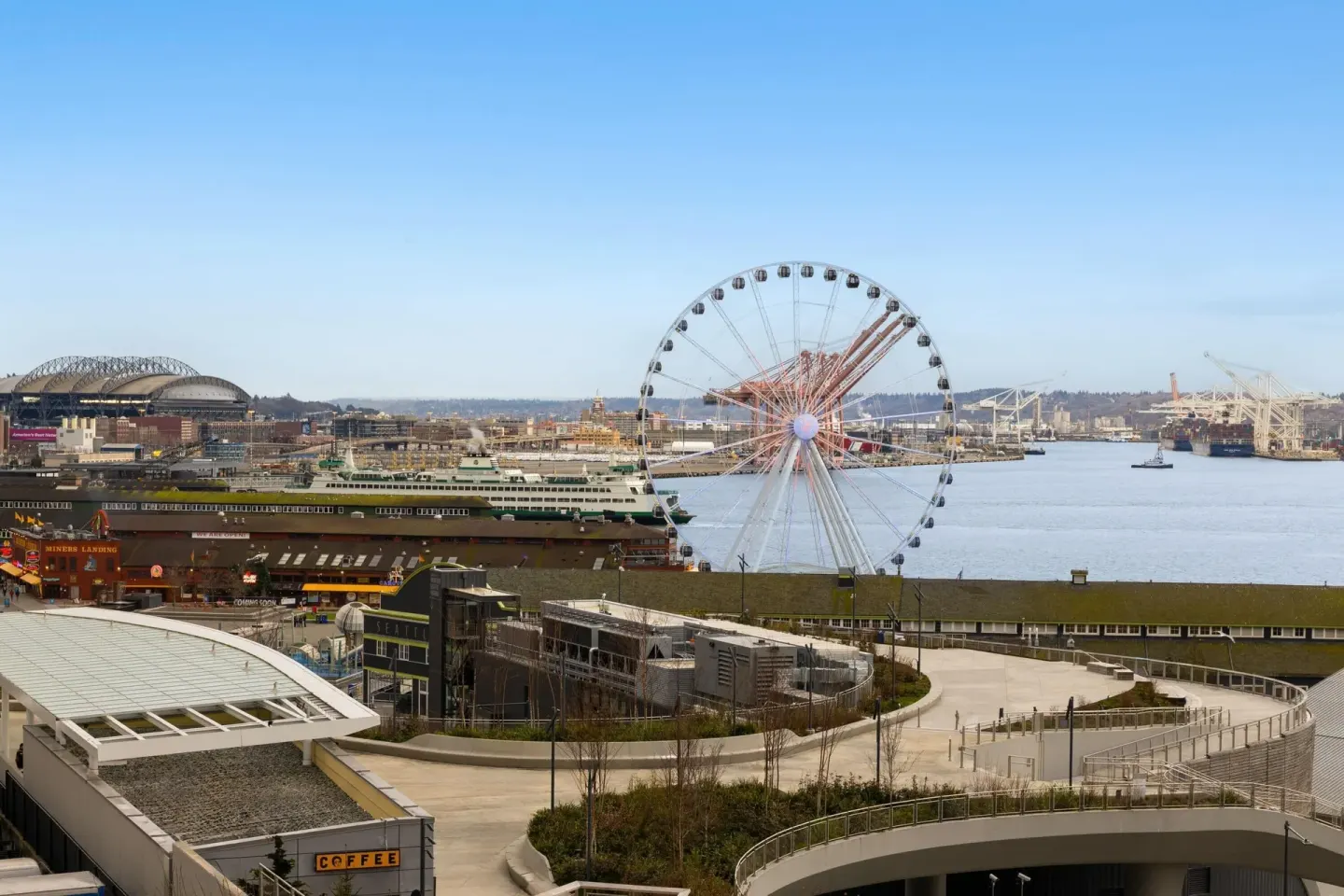
This period is best for outdoor activities: waterfront walks, ferry day trips to Bainbridge or Bremerton, and whale-watching tours that run into early October. Expect higher hotel demand in Belltown and around downtown.
- Pros: best weather for outdoor sightseeing, longer daylight, whale-watching season continues into early October.
- Cons: higher hotel rates and more visitors at popular spots like Pike Place Market and the Space Needle.
- Good for: first-time visitors who want reliable weather and boat trips on Puget Sound.
| Activity | How summer helps |
|---|---|
| Ferry day trips (Bainbridge Island, Bremerton) | Calmer, drier weather makes crossings pleasant |
| Whale-watching | Season extends into early October; good visibility |
| Waterfront and outdoor festivals | Most events take place in summer |
September–October: best mix of weather and smaller crowds
September is often recommended as the best single month to visit Seattle because it usually keeps summer warmth and sun while crowds thin. October brings cooler temperatures and increasing rain but can still have pleasant days.
If you want to avoid peak-summer prices while keeping a strong chance of good weather, target early to mid-September. Later in October, shift plans more toward indoor activities and early-season foliage viewing.
- Pros: warm early September days, fewer tourists, continued whale-watching opportunities into early October.
- Cons: conditions become more variable in October with more rainy days.
- Good for: travelers seeking a compromise between weather and cost.
| Month | Best for |
|---|---|
| September | Warm days, fewer crowds — ideal balance |
| October | Autumn color and indoor cultural events; more rain |
November–December: wet, holiday season choices
November is the wettest month, with frequent rain. December remains wet and often overcast but includes holiday lighting and events in downtown Seattle that draw visitors despite the weather.
Choose this time if you want seasonal events and lower weekday hotel demand; bring waterproof clothing and plan for indoor museums, restaurants, and shows in Belltown and downtown.
- Pros: holiday events, lower midweek rates, easy access to indoor attractions from The Dylan.
- Cons: high likelihood of rain, short daylight hours, less reliable conditions for outdoor sightseeing.
| Consider | Note |
|---|---|
| Holiday markets and lighting | City events can be enjoyable despite wet weather |
| Rain gear | Essential for sightseeing in November–December |
| Hotel services | The Dylan offers 24-hour front desk, free WiFi and grab-and-go breakfast year-round |

How season affects staying at The Dylan
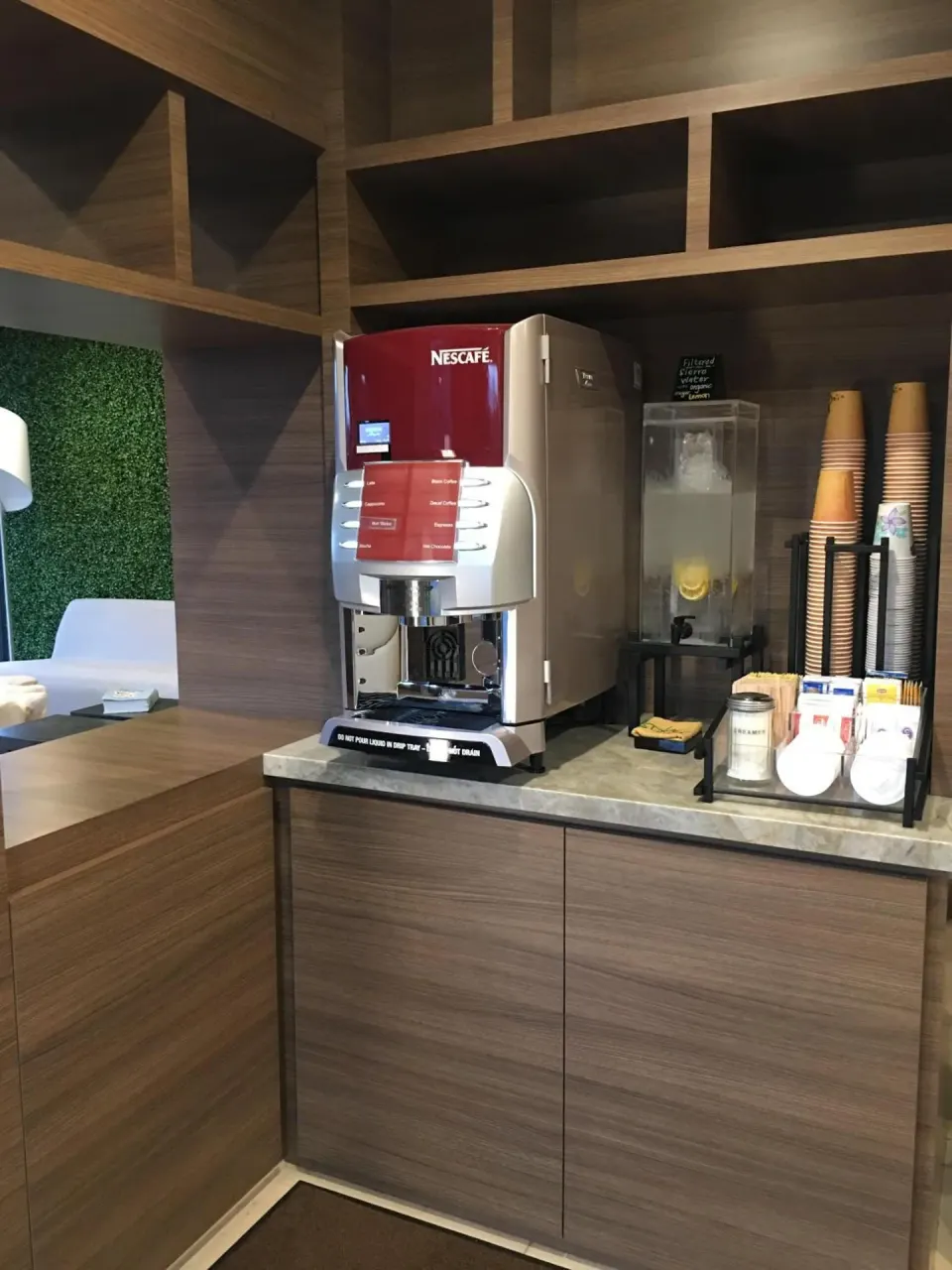
The Dylan is a budget-friendly downtown hotel with free WiFi, a light grab-and-go breakfast near reception, shared microwave/refrigerator access, and a 24-hour front desk — amenities that make short stays convenient any month.
Rooms available are Room (1 Queen Bed) and Suite (1 Bedroom) (1 Queen Bed). The property is non-smoking, does not have a pool or fitness center, and does not operate on-site restaurants, so plan dining and activity bookings according to seasonality.
- Summer: book early to lock better rates and room type (Room (1 Queen Bed) vs Suite (1 Bedroom)).
- Shoulder months: flexibility with last-minute plans; still convenient for walking to Pike Place Market and the waterfront.
- Winter: expect basic hotel services to be most useful for indoor-focused itineraries.
| Amenity | Availability/Note |
|---|---|
| Grab-and-go breakfast | Available near reception |
| Free WiFi | Included throughout the property |
| Parking | On-site self-parking for a surcharge (contact property in advance) |